
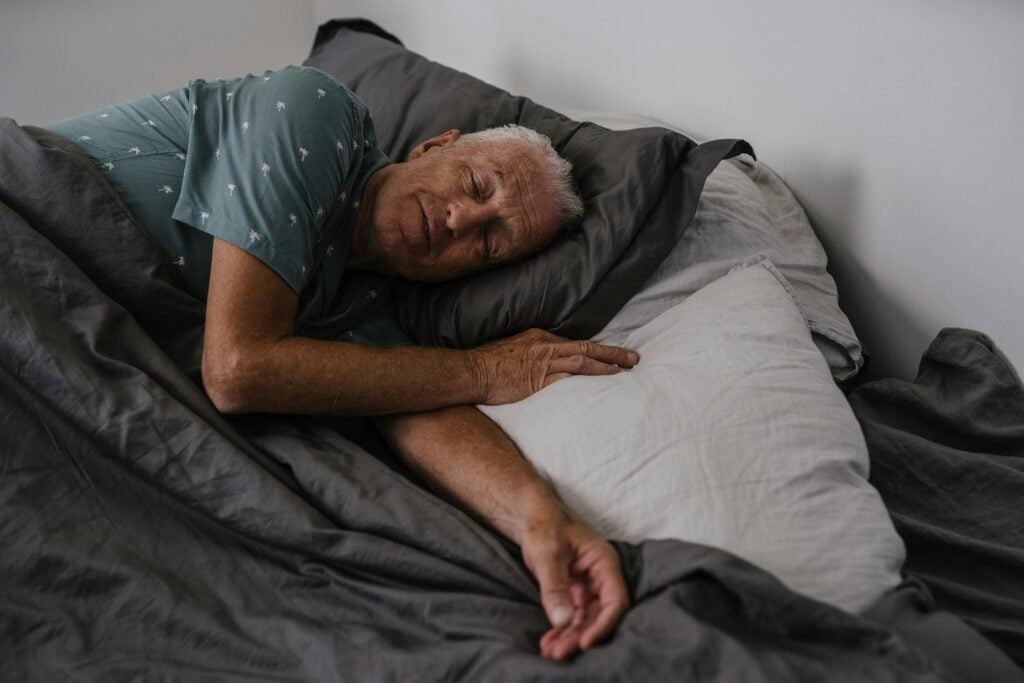
Sleep is one of the most important parts of healthy aging. For older adults, getting enough rest helps support memory, mood, physical strength, and overall well-being. Yet many seniors experience changes in their sleep patterns that can make restful nights more difficult.
For families caring for aging loved ones across North Texas and Greater Houston, understanding how sleep affects senior health can help improve comfort, safety, and daily quality of life.
Why Sleep Changes With Age
It is common for sleep habits to shift as people grow older. Seniors may notice that they wake up earlier, have trouble falling asleep, or wake more often during the night.
Several factors can contribute to these changes. Natural aging affects the body’s internal clock, which regulates when we feel sleepy and when we feel awake. Health conditions, medications, reduced physical activity, and chronic pain can also affect sleep quality.
Even though sleep patterns may change, older adults still need about seven to nine hours of sleep each night, according to the National Institute on Aging.
The Impact of Poor Sleep on Senior Health
Sleep plays a critical role in both physical and mental health. When seniors do not get enough rest, the effects can appear in many areas of daily life.
One of the most common signs is daytime fatigue. Seniors who sleep poorly may feel tired throughout the day, making it harder to stay active or enjoy regular activities.
Sleep also supports brain health and memory. Poor sleep can worsen forgetfulness, confusion, and cognitive decline, particularly for individuals living with Alzheimer’s disease or other forms of dementia.
Research also shows that sleep problems affect a large portion of older adults, with studies suggesting that 40-70% of seniors experience chronic sleep issues such as insomnia or disrupted sleep cycles.
Physical health can also be affected. Poor sleep in older adults has been linked to:
- Falls and balance issues
- Heart disease and high blood pressure
- Depression or anxiety
- A weakened immune system
Why Sleep Matters for Texas Seniors
Sleep health is becoming increasingly important as the senior population in Texas continues to grow. According to the Texas Demographic Center, more than four million Texans are now age 65 or older, and the number of older adults in the state is expected to increase significantly in the coming decades.
Health experts also warn that poor sleep can increase safety risks for seniors. The Texas Department of State Health Services reports that falls are the leading cause of injury for adults age 65 and older in Texas. Fatigue and poor sleep can affect balance, coordination, and reaction time, increasing the risk of accidents at home.
Because of this, maintaining healthy sleep routines is an important part of helping seniors remain safe and independent.
Signs a Senior May Not Be Sleeping Well
Sleep problems can develop slowly and may not always be obvious. Families often notice small changes before a senior mentions difficulty sleeping.
Some common signs include:
- Frequent daytime naps
- Irritability or mood changes
- Trouble concentrating or remembering things
- Waking multiple times during the night
- Feeling tired even after a full night in bed
If these symptoms continue, it may be helpful to speak with a healthcare provider. Conditions such as sleep apnea, medication side effects, or chronic pain can sometimes be contributing factors.
Simple Ways to Support Better Sleep
Healthy daily routines can often help seniors sleep more comfortably.
Encouraging a consistent sleep schedule is one of the most helpful habits. Going to bed and waking up at the same time each day helps regulate the body’s internal clock.
Regular daytime activity can also improve sleep. Even light exercise such as walking or gentle stretching may help promote better rest at night.
Creating a calm sleep environment also makes a difference. A quiet bedroom with minimal light and noise can make it easier to fall asleep and stay asleep.
Caregivers can also support healthy routines by helping seniors maintain proper nutrition, hydration, and daily structure. These small habits can play a meaningful role in overall wellness.
Supporting Healthy Aging at Home
Quality sleep plays a vital role in helping seniors stay healthy, active, and independent. When older adults get the rest they need, they often experience better energy, improved mood, and clearer thinking.
For families across North Texas and Greater Houston, having compassionate support at home can help seniors maintain routines that promote overall wellness. At Harmony at Home Senior Care, caregivers provide personalized assistance, companionship, and daily support so older adults can continue living safely and comfortably in the place they love most.
If you have questions about care or want to explore options for a loved one, we are here to help. Call us at 972-789-4187 or email intake@harmonyathomeseniorcare.com to schedule a free care assessment or simply ask questions. Even a small step can make a meaningful difference.