
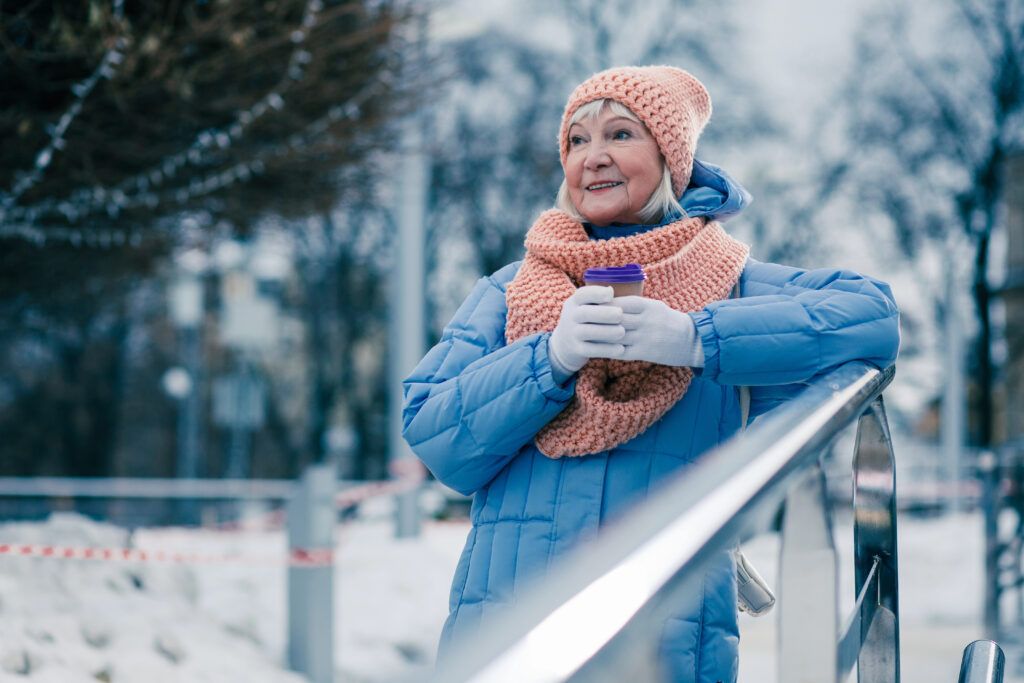
As we age, our bodies undergo changes that make recognizing and responding to cold temperatures more difficult. Winter weather brings multiple dangers for older adults, icy walkways that can cause serious falls, frostbite from freezing conditions, and hypothermia when body temperature drops dangerously low. Taking informed action now can help protect against these cold-weather health emergencies.
Why Aging Bodies Are More Vulnerable to Cold
Several chronic health conditions common among older adults interfere with the body’s natural warming mechanisms:
- Diabetes: Disrupts normal blood flow that delivers warmth throughout the body
- Thyroid disorders: Compromise the body’s temperature regulation system
- Parkinson’s disease and arthritis: Create physical barriers to adding layers, reaching for blankets, or moving away from cold environments
- Cognitive decline: May prevent remembering to dress appropriately or recognize dangerous temperature drops
Many prescription and over-the-counter medications, including certain cold remedies, can also impact body temperature regulation. Consult your healthcare provider about any medications that might increase cold-weather vulnerability.
Your Winter Safety Action Plan
1. Build Your Emergency Supply Kit
Assemble essential items before winter weather arrives:
- Ready-to-eat foods: At least three days’ worth of shelf-stable meals
- Drinking water: One gallon daily per person for a minimum of three days
- Prescription medications: One to two weeks’ worth beyond your regular refill schedule
- Light sources: Several flashlights with backup batteries in known locations
- Medical supplies: First aid essentials plus any specialized health equipment
- Information access: Battery or hand-crank powered radio for weather updates
- Warmth supplies: Extra blankets and clothing layers for heating disruptions
2. Winterize Your Living Space
Prepare your home before cold weather strikes:
- Service heating equipment: Schedule professional furnace inspection and maintenance
- Protect plumbing: Add insulation to exposed pipes; open cabinets during extreme cold
- Secure outdoor areas: Maintain supplies of ice melt or sand for walkways
- Check safety devices: Replace smoke and carbon monoxide detector batteries
- Seal air leaks: Block door drafts with towels; close window coverings; apply weather stripping or caulk where cold air enters
- Display emergency numbers: Keep important contacts easily accessible near phones
3. Prepare for Possible Power Loss
Winter storms frequently disrupt electricity. Have backup plans ready:
- Maintain charged devices: Keep phones, tablets, and portable chargers at full capacity
- Identify backup heating: Know safe alternatives like fireplaces or properly ventilated generators
- Locate warming locations: Research community warming centers or arrange stays with family or friends during outages
- Plan for medications: Understand which prescriptions require refrigeration and how to maintain proper storage temperature
4. Create a Safe Indoor Environment
Research shows that roughly one-fifth of cold-related injuries happen inside homes. Protect yourself indoors:
- Maintain adequate heat: Set thermostats to at least 68°F; temperatures between 60-65°F can trigger hypothermia in older adults
- Layer your clothing: Wear several loose-fitting layers indoors; add socks, slippers, and throw blankets
- Prepare for bed: Use additional bedding, wear thermal underwear beneath pajamas, and consider head coverings
- Keep moving: Gentle activity helps generate body heat
- Eat adequately: Maintain healthy weight, body fat provides insulation
- Watch alcohol consumption: Alcoholic beverages accelerate heat loss
- Use heaters carefully: Position portable heaters three feet from flammable materials; never use extension cords; never leave unattended
- Arrange check-ins: Have someone contact you regularly during cold spells
5. Navigate Outdoor Winter Hazards Safely
Falls represent a major injury risk for seniors during winter. Minimize outdoor dangers:
- Choose appropriate footwear: Select low-heeled boots with rubber, non-slip treads
- Use stability aids: Employ canes, walkers, or walking sticks; hold railings on stairs
- Maintain clear paths: Apply ice melt products or sand to walkways, or hire help for this task
- Skip the shoveling: Snow removal poses both fall and heart attack risks for older adults
- Move deliberately: Take slow, careful steps on any potentially slippery surface
- Stay inside when possible: Avoid unnecessary outdoor exposure during severe weather; use delivery services for essentials
6. Dress Appropriately for Cold Exposure
When outdoor travel becomes necessary:
- Monitor weather conditions: Check forecasts for dangerous wind chills that rapidly lower body temperature
- Minimize exposure time: Limit outdoor duration on cold, windy, or wet days
- Communicate your plans: Tell others about outdoor activities and carry a charged phone
- Stock your vehicle: Keep warm blankets and extra winter clothing in your car
- Cover extremities: Wear hats, scarves, gloves or mittens to protect areas that lose heat quickly; try disposable warming products for hands and feet
- Wear multiple layers: Trapped air between clothing layers provides insulation; add waterproof outer layers in precipitation
- Remove wet clothing promptly: Change immediately if clothes become damp
7. Stay Connected Throughout Winter
Maintain communication networks during cold weather:
- Establish routine contact: Set up daily check-in schedules with family or neighbors
- Update contact information: Verify current numbers for family, friends, healthcare providers, and emergency services
- Build neighbor relationships: Connect with nearby residents who can assist during emergencies
- Register for alerts: Sign up for local emergency notification services
8. Recognize Cold-Related Medical Emergencies
Understanding warning signs can save lives:
Hypothermia Symptoms
Hypothermia develops when core body temperature falls below 95°F, potentially causing irregular heartbeat, heart failure, and organ damage. This dangerous condition can occur even at temperatures above 40°F when combined with rain, sweat, or cold water exposure. Because hypothermia impairs thinking, affected individuals often don’t recognize their danger.
Initial warning signs:
- Cold hands and feet
- Facial puffiness or swelling
- Pale skin tone
- Trembling or shaking
- Speech that becomes slow or slurred
- Unusual sleepiness, anger, or confusion
Advanced symptoms:
- Jerky, stiff movements in arms and legs
- Reduced heartbeat or breathing rate
- Loss of consciousness
Hypothermia requires immediate emergency care. Call 911 if you observe these symptoms. While waiting for help, move the person to warmth, provide warm beverages, and wrap them in dry blankets, towels, or coats.
Frostbite Symptoms
Frostbite damages skin through freezing exposure. Older adults face higher risk due to reduced circulation and inadequate cold-weather protection. Hands, feet, nose, and ears are most vulnerable.
Watch for these signs:
- Skin redness or pain (earliest warning)
- White or grayish-yellow coloring
- Unusually firm or waxy skin texture
- Numbness with lost sensation
- Color loss in affected areas
If you notice redness or pain on any exposed skin, immediately seek shelter and cover the area—frostbite is developing. Because frozen areas become numb, affected individuals may not realize injury has occurred until someone alerts them.
Financial Assistance for Heating Costs
If heating expenses strain your budget, help is available:
- Call the National Energy Assistance Referral (1-866-674-6327) to learn about Low Income Home Energy Assistance Programs
- Contact local Weatherization Assistance Programs for home energy efficiency improvements
- Texas-specific resources:
- Contact the Texas Department of Housing and Community Affairs (TDHCA) Weatherization Assistance Program at 1-800-525-0657
- Texas LIHEAP: Call 1-877-399-8939 for the Texas Home Energy Assistance Program
- Area Agencies on Aging: Contact the Texas Health and Human Services Area Agencies on Aging at 1-800-252-9240 or visit local senior centers and social service organizations for additional assistance programs
How We Can Help
At Harmony at Home Senior Care, we understand that winter weather can make it challenging for seniors to maintain their independence and safety. Our professional caregivers can provide essential support during winter months, including:
- Emergency preparedness assistance: Help gather supplies and create emergency plans
- Medication management: Ensure you never run out of essential prescriptions
- Meal preparation: Provide nutritious meals when going out is unsafe
- Transportation: Safe rides to medical appointments and errands
- Regular check-ins: Consistent monitoring and companionship during winter isolation
- Home safety monitoring: Help ensure your home stays warm and safe during cold weather
Don’t let winter weather compromise your safety and well-being. Contact us today at 972-789-4187 or book an appointment online to learn how our caregiving services can help you stay safe, warm, and independent all winter long.
Take Action Today
Winter preparedness isn’t just about surviving the season; it’s about thriving through it. By taking these proactive steps now, you can enjoy peace of mind knowing you’re ready for whatever winter brings. Start preparing today, and remember that you don’t have to face winter challenges alone.